Welcome to Africa Cycads
|
Cycad Trivia Cycads date as far back as 280 million years!  |
||
New Cycad Arrivals: | ||
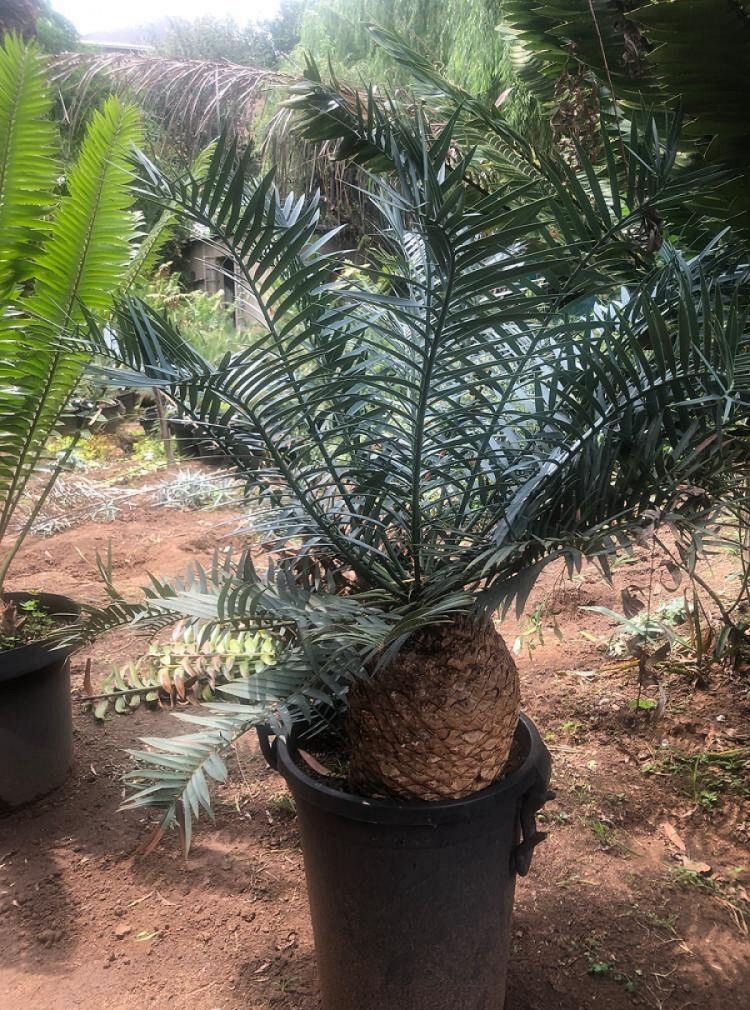
Bushman’s River Cycad View Details E. trispinosus Price: R 3,500.00 nmd | 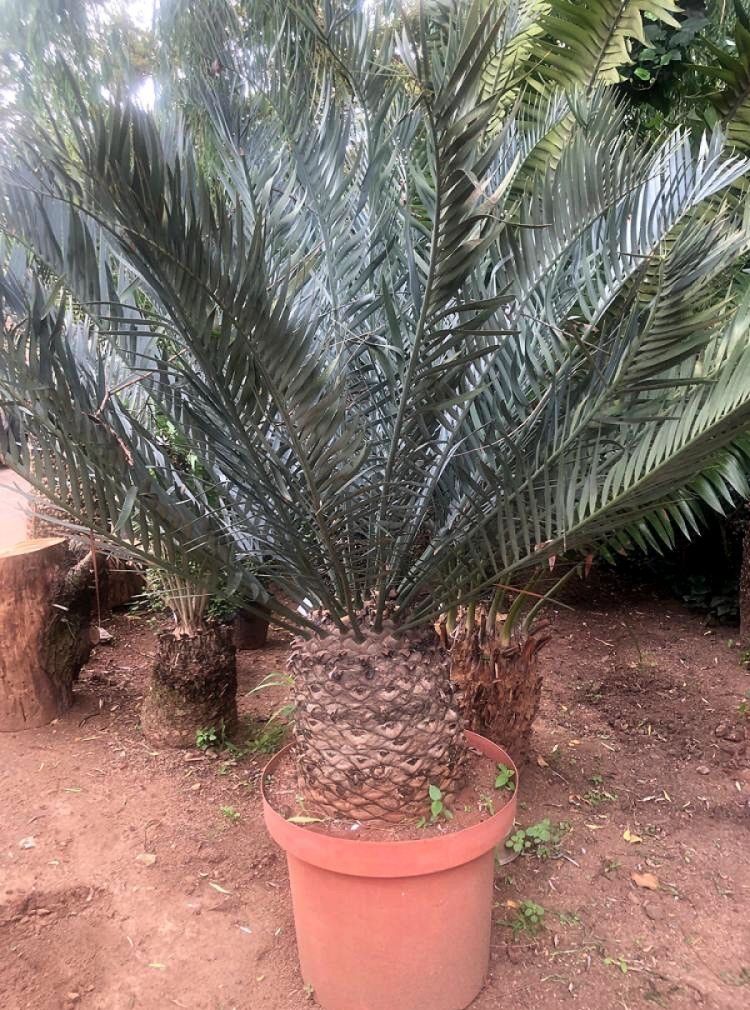
Karoo Cycad View Details E. lehmannii Price: R 6,000.00 Potted | 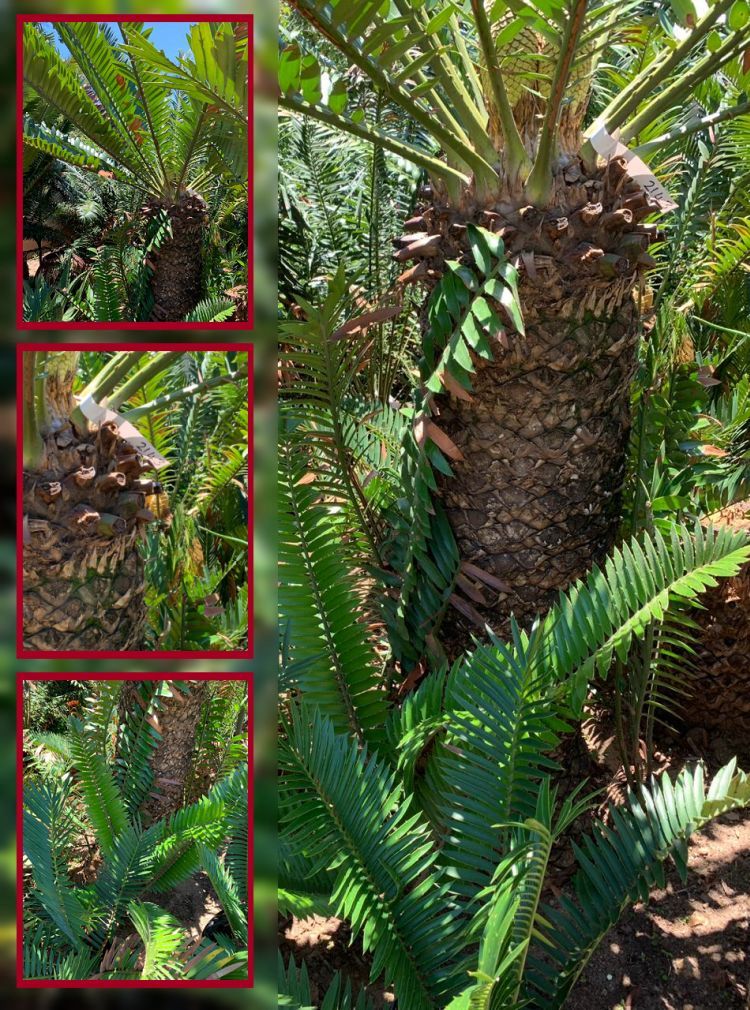
Natal Giant Cycad View Details E. natalensis Price: R 23,500.00 nmd |
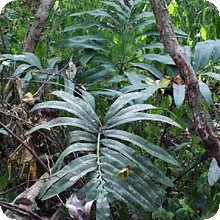 Stangeria eriopus is a slow-growing perennial which lives to a great age. The body of the plant consists of a large tuberous root which is swollen and carrot-shaped. The upper portion is the stem which branches and can form up to 10 heads. Each growing point of the stem produces one leaf at a time.
When young, the leaf is rolled up at the tip (circinate) and fern-like, varying in length from 0.25-2 m depending on the habitat. A single cone is produced on each growing point. Cones seem to be produced throughout the year and are 100-250 x 30-40 mm. Male and female cones are borne on separate plants. The male cone is cylindrical and tapers at the apex. The female... Stangeria eriopus is a slow-growing perennial which lives to a great age. The body of the plant consists of a large tuberous root which is swollen and carrot-shaped. The upper portion is the stem which branches and can form up to 10 heads. Each growing point of the stem produces one leaf at a time.
When young, the leaf is rolled up at the tip (circinate) and fern-like, varying in length from 0.25-2 m depending on the habitat. A single cone is produced on each growing point. Cones seem to be produced throughout the year and are 100-250 x 30-40 mm. Male and female cones are borne on separate plants. The male cone is cylindrical and tapers at the apex. The female... |