Welcome to Africa Cycads
|
Cycad Trivia Several populations of what were previously regarded as E. lebomboensis (Lebombo Cycad) are now regarded as E. senticosus (Jozini Cycad), including most of those found on the Lebombo Mountains.  |
||
New Cycad Arrivals: | ||
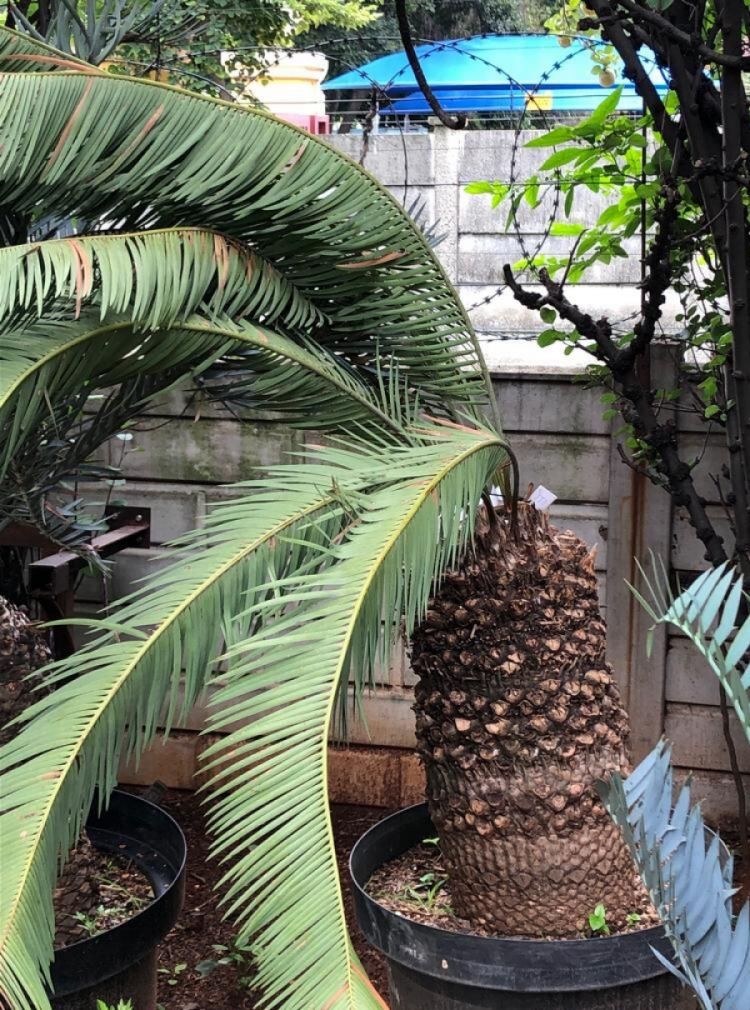
Kaapsehoop Cycad View Details E. laevifolius Price: R 18,500.00 Potted | 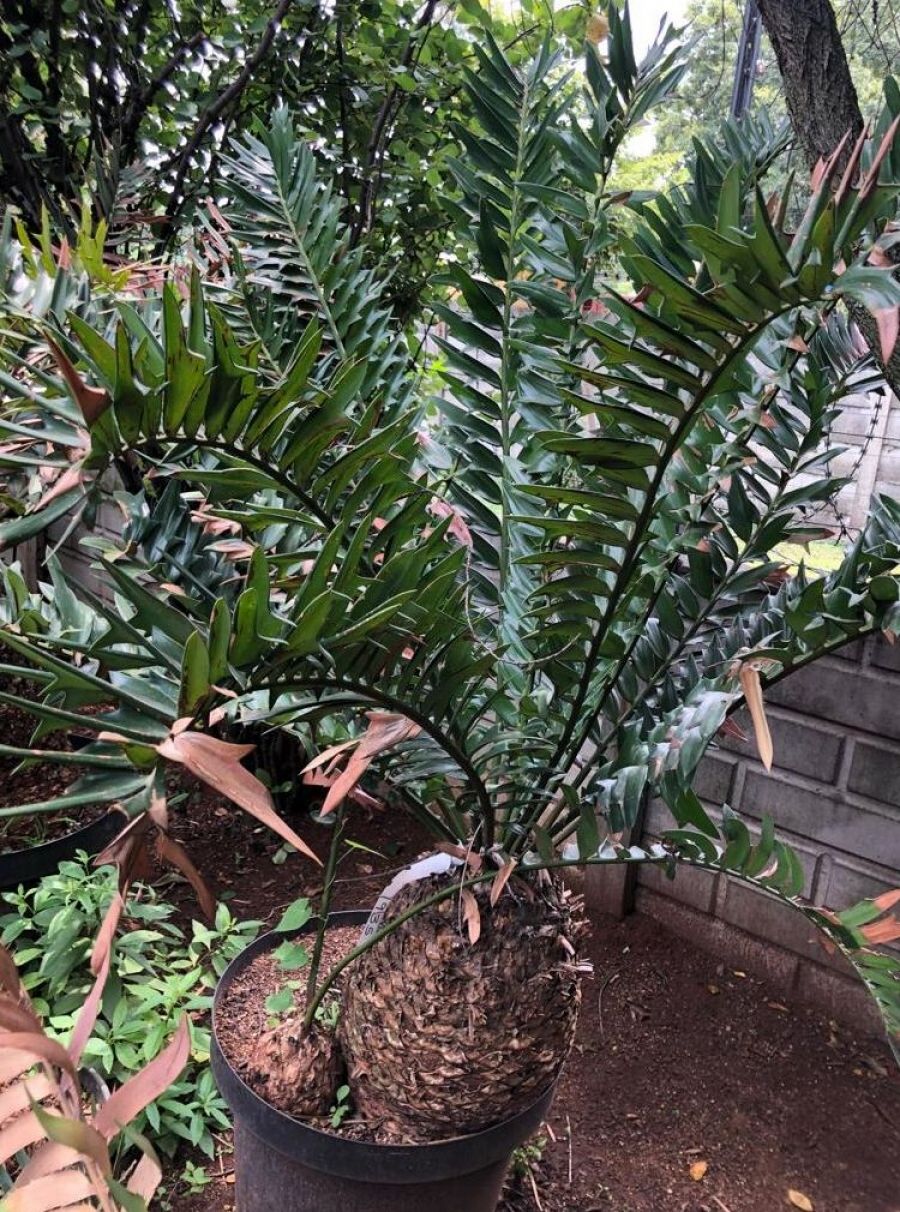
Alexandria Cycad View Details E. arenarius Price: R 18,000.00 Potted | 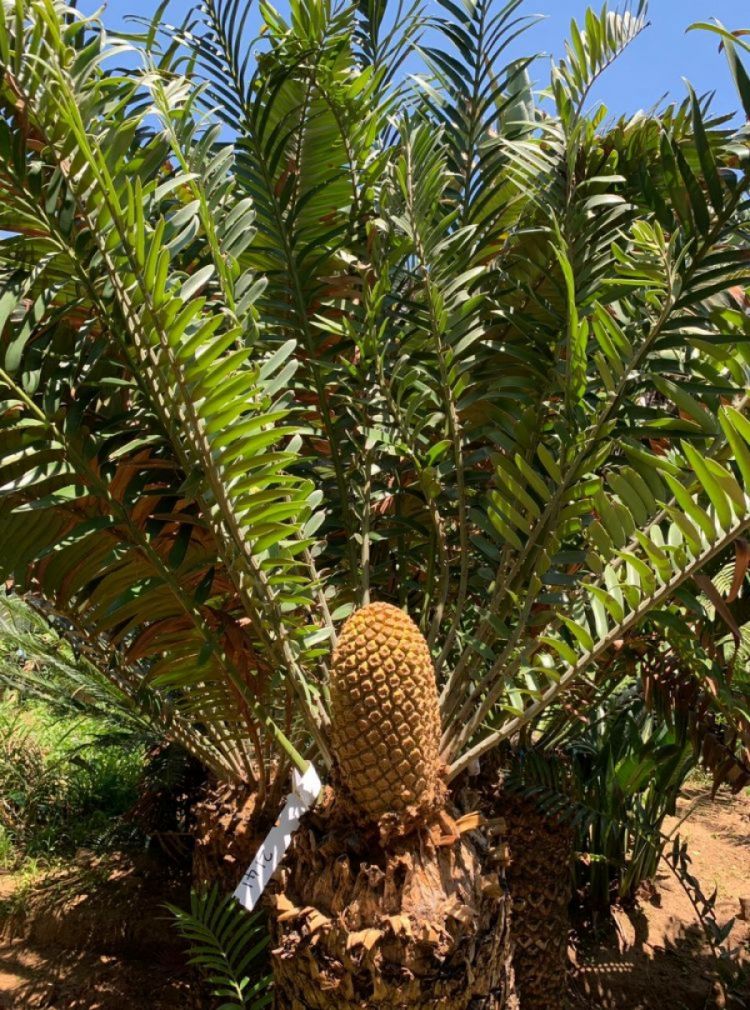
Natal Giant Cycad View Details E. natalensis Price: R 26,000.00 nmd |
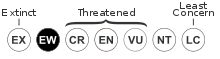
 Encephalartos brevifoliolatus, the escarpment cycad, is extinct in the wild and survives only in collections. This is a strictly protected plant, one of the rarest in the world. It was found in South Africa in short grasslands in the very open Protea savanna. These plants were used to growing on large cliffs.
The stems of Encephalartos brevifoliolatus are well developed, usually unbranched but often suckering from the base to form clumps of up to 6 stems. The stem is erect but often leaning to some extent or even hanging from cliffs. Stems are up to 2.5m tall and 250mm to 300mm thick and covered by relatively small remains of leaf bases which are often charred from... Encephalartos brevifoliolatus, the escarpment cycad, is extinct in the wild and survives only in collections. This is a strictly protected plant, one of the rarest in the world. It was found in South Africa in short grasslands in the very open Protea savanna. These plants were used to growing on large cliffs.
The stems of Encephalartos brevifoliolatus are well developed, usually unbranched but often suckering from the base to form clumps of up to 6 stems. The stem is erect but often leaning to some extent or even hanging from cliffs. Stems are up to 2.5m tall and 250mm to 300mm thick and covered by relatively small remains of leaf bases which are often charred from... |